Are Property Taxes Going Away?
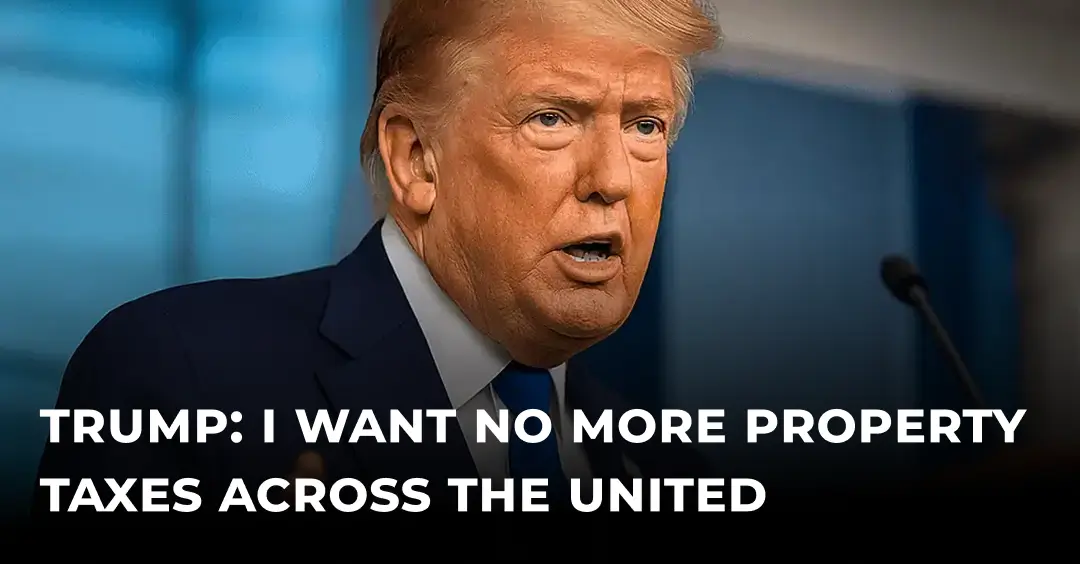
The likelihood of President Donald Trump successfully eliminating all property taxes in the United States is extremely low, despite his expressed interest in the idea.
While President Trump’s statement on July 4, 2025, signals interest in abolishing property taxes, the practical, legal, and political hurdles make it highly unlikely, with less than a 5% chance in the near term. Any move toward this goal would require a detailed plan to replace lost revenue, broad bipartisan support, and likely a redefinition of federal-state fiscal relationships, none of which appear imminent. Instead, his administration seems more focused on incremental tax breaks, as seen in recent legislation.
For foreclosure attorneys, this proposal could spark interest in how tax changes might affect homeowners’ ability to avoid foreclosure, but no immediate impact on their foreclosure practice is likely, given the low feasibility. While this may be unwelcome news to homeowners and property owners across the US, they can remain excited about tax relief in other, more likely areas that President Trump is aggressively pursuing.
And as homeowners consider the bigger financial picture, it’s equally important to understand the basics of property ownership, such as deed vs title.
Several factors contribute to this assessment – if you’d like to read just a little more:
1. Structural and Legal Barriers
Property taxes are primarily imposed by state and local governments, not the federal government. The U.S. Constitution and state laws grant local jurisdictions (counties, municipalities, and school districts) the authority to levy property taxes. For the federal government to eliminate them, it would require unprecedented federal intervention, potentially through a constitutional amendment or sweeping legislation overriding state sovereignty, which would face significant legal and political challenges. States are unlikely to cede this authority, as property taxes are a cornerstone of their fiscal autonomy.
2. Economic Implications
Property taxes fund critical local services, including schools, public safety, infrastructure, and municipal operations. In 2022, property taxes accounted for about 30% of state and local tax revenue nationwide, totaling over $600 billion annually. Eliminating them would create massive budget shortfalls, requiring alternative revenue sources or drastic cuts to services. Proposals to replace property taxes with federal funding or other taxes (e.g., higher sales or income taxes) would face resistance due to their complexity and potential economic disruption. Critics argue that such a shift could disproportionately harm lower-income communities reliant on local services.
3. Recent Statements and Policy Context
On July 4, 2025, President Trump announced his desire to abolish property taxes, framing it as a move to promote “real freedom for American homeowners”. However, this statement appears more aspirational than actionable, as no concrete legislative proposal has emerged. His recently signed “One Big Beautiful Bill Act” focuses on extending 2017 tax cuts, increasing the SALT (state and local tax) deduction cap to $40,000, and other tax breaks, but it does not address property tax elimination. Instead, it includes provisions benefiting homeowners, like making the mortgage interest deduction cap permanent, suggesting a focus on targeted tax relief rather than wholesale property tax abolition.
4. Political Feasibility
Eliminating property taxes would require Congressional approval, likely facing opposition from both parties. Democrats would likely resist due to the impact on public services, while many Republicans, who advocate for state rights, would oppose federal overreach into local taxation. The “One Big Beautiful Bill” already faced challenges in gaining public support, with 61% of voters opposing it according to Bloomberg. A more radical proposal like abolishing property taxes would likely encounter even greater skepticism.
5. Public and Stakeholder Sentiment
Posts on X reflect enthusiasm among some supporters, with users calling the proposal “transformative” and a step toward “owning your home” without “government rent”. However, these sentiments lack detailed plans and are countered by concerns about funding local services. Economists and community leaders have emphasized the need for a comprehensive dialogue on the feasibility and long-term consequences, noting potential “chaos” in local economies.
6. Historical Precedent
No U.S. president has successfully eliminated a major state-level tax like property taxes. While Trump has pushed bold tax reforms, such as the 2017 Tax Cuts and Jobs Act, those primarily targeted federal income taxes. His recent consideration of eliminating capital gains taxes on primary home sales indicates a preference for narrower, more achievable tax relief measures.
Thanks for reading. If you require title work of any type in any state in your company’s workflow, learn how Title Leader’s no-fee management platform (using your search vendors or those already in TL’s marketplace) can transform your workflow. Dropping admin costs and speeding up your work is what we do.
Sources – CNBC, Bloomberg, Newsweek, Local News